From the Rabbi’s Study…October 10, 11, 2025/18, 19 Tishrei 5786
Chol HaMoed Suukot (intermediate days of Sukkot)
Pray for the Hostages to be returned this weekend.
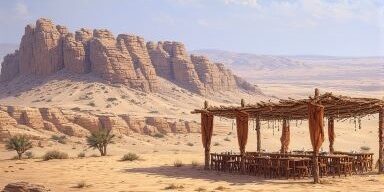
During Sukkot we are commemorating G-d’s protection for the Israelites as they journey through the desert. May our Hostages have G-d’s protection as they journey home to their loved ones.
The Torah portion has the heritage of the congregation of Jacob/Israel from (Deuteronomy 33:4). The Torah shows the importance of families who must retain their Jewish heritage and pass this knowledge on to their children throughout the generations. The rabbis emphasize that generation to generation must transmit Judaism’s heritage so it will not be forgotten. In Sifre of Deuteronomy 32:29 it states, “if not for Torah, the people of Israel would not at all differ from the nations of the world.” The Baal Shem Tov stated that “the purpose of the whole Torah is that each person should become a Torah.”
You have finished the Book of Devarim/Deuteronomy which contains: 955 verses, 34 chapters and 11 Sidrot!
During Sukkot our sukkah has Ushpazin/guests that are invited…
From the Torah can you guess who brings your special guest, and their invited person. The people are listed below so you may comprehend the WHY!
Abraham brings Sarah, Aaron brings Miriam, Isaac brings Rebekkah, Jacob/Israel brings Leah, Rachel brings Joseph, Ruth brings David, and Zipporah brings Moses.
The Sukkot festival has four special species: the etrog/citron which is held in the left hand represents the heart, while the Lulav(palm), the backbone, has the myrtle (symbolizes eyes and enlightenment), and the willow (aravah) represents lips; the service of lips is for praying. When we hold them all together and wave them the motion is toward us. They represent the Jewish people, and when the Jewish people stand together they are stronger.
The sukkah is made in different ways to represent the Hebrew spelling. Thus one may have four sides, sameach, chet has three sides, and the hay has two and a half. The sukkah type hut was used for farmers who could not return to Jerusalem to sell their produce or crops. The sukkah symbolizes how fragile our lives are. The theme throughout the festival is interwoven beautifully: redemption, universal peace and brotherhood, and completion.
We still have Shemini Atzeret, which is the eighth day, and during services one walks around the synagogue with the lulav and shakes off the remaining leaves/representing sins, for those that procrastinate. The next day is Simchat Torah, which is the rejoicing of the Torah. The Khohain, Levites, and Israelites take turns holding and dancing with the Torahs around the synagogue outside and inside. Surely a joyous time.
May the families of Israel have their loved ones to celebrate.
Am Ysrael Chai! Long Live Israel!
Shabbat Shalom v’ Yom Tov, (add Yom tov for the candlelight on Shabbat)
Rabbi Helene Ainbinder