From The Rabbi’s Study…Shabbat, September 12, 13, 2025/19, 20 Elul 5785
Selichot: The special prayer service a week before Rosh HaShanah. The prayers’ focus is on the thirteen Attributes of G-d and Selichot/Forgiveness.
Time to Purchase your Etrog and Lulav…The Esrog Headquarters phone:(718) 692-3335 and their email:www.sales@esrogheadquarters.com/ Do Not Call on the Sabbath.
9-11 will be on Thursday. We will pray for those that died and those who still need healing.
The Torah portion continues with agricultural laws and laws of first fruits, the formulation of the covenant between G-d and Israel, and the Third Discourse of Moses.
Judaic Concepts and Values:
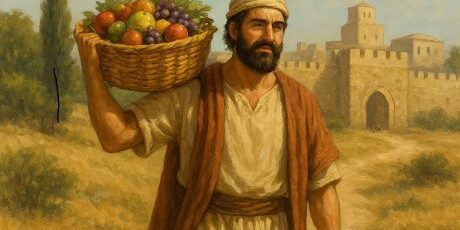
Bikkurim: First fruits in ancient times; the farmers had a harvest ritual and brought the first fruits to the priest (Deuteronomy 26:10). An offering of the first fruits with a declaration was recited by the farmer, which briefly reviews the origins of the Jewish people and reaffirms their belief in G-d. The first part of this declaration, “My ancestor was a wandering Aramean,” is quoted in the Haggadah during Passover.
The Blessings and Curses are the belief in the power of speech! The list is found in (Deuteronomy 27:15-26), and the blessings are found in Deuteronomy 28. Early rabbinic era interpreters suggested that G-d actually does reward those that follow the Torah. Others believed it is the person’s intention of doing good and their life filled with these righteous actions that assured them of an eternity of blessings. OR…Your actions have consequences, depending upon what action was done, so be careful of all your actions.
The mitzvot: Walking in G-d’s ways. This concept for a Jew of trying to imitate G-d’s attributes is found in the Torah, which states, “and walk in His Ways” (Deuteronomy 28:9). G-d is compassionate and so should each of us be compassionate, just like G-d is righteous and just, so each of us should be, too. There are a total of thirteen attributes of G-d.
The High Holidays are approaching, and the Torah portion’s themes are to change our bad behavior toward one another, whether in speech or actions; asking for forgiveness from G-d and individuals you may have wronged.
Talmud Time:
Why does the Torah use the verb “take” when it clearly implies to “give” your first fruits? The Talmud explains that the word “take” is used because each time a person gives, that person also TAKES! They take in the pleasure of giving. Likewise, says the Talmud, when a person accepts a gift, it is giving, because the person is giving pleasure to the giver, who receives the satisfaction of having given.
Shabbat Shalom, (it will be 706/707 days of the Hostages in Israel) Am Ysrael Chai!
Rabbi Helene Ainbinder